3.11.19

Mary Jane's Not A Virgin Anymore

Dir: Sarah Jacobson
Coming of age cinema is rich and wide in the variety of stories it tells and the way it interprets them, but it can’t be denied that it has a preoccupation with certain kinds of story. One of the most prevalent of these is following teens on the way to the rite of passage that is the loss of their virginity. From the title, you might expect Sarah Jacobson’s only feature film to be one of these, but in this and many other respects, it is more interested in subverting the cliches of coming of age films.

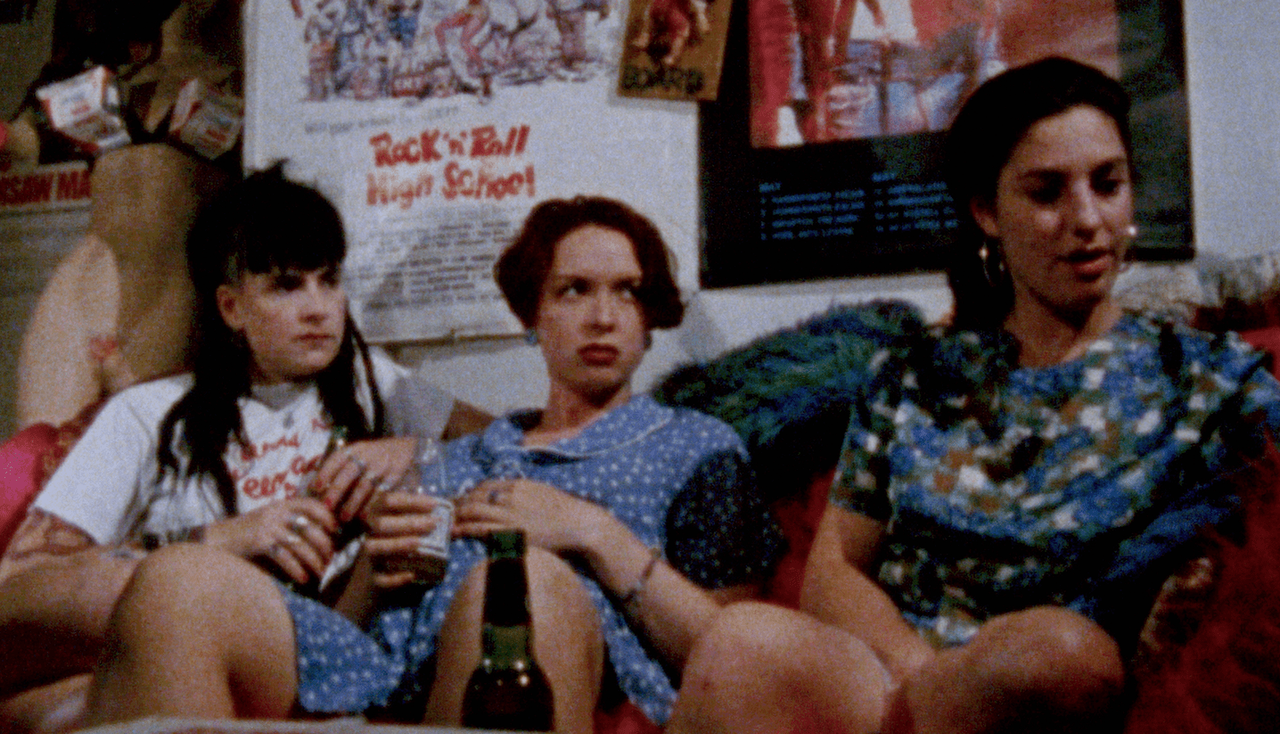
Jacobson’s film skirts expectations from the beginning, as it opens with Jane (Lisa Gerstein) losing her virginity. What the rest of the film is about is something more sophisticated than the many almost quest-based narratives that follow (mostly) boys efforts to have sex for the first time, but a young woman who, while she has now had sex, doesn’t really understand it. 

Much of the film takes place at a local art cinema where Jane and her friends work. We see her trying to sort through her feelings for various male friends, especially Tom (Chris Enright), who is handsome and seems more mature than most of the others, and Ryan (Bwana Spoons), who is nerdy and seems genuinely nice, but somewhat oblivious to Jane’s mild crush on him. 

Jacobson’s writing has a very matter of fact tone to it. This comes through strongly as Jane listens to her friends’ stories of losing their virginity, including one involving a rape. In this case in particular, the frankness is almost disconcerting, these are issues seldom confronted in teen cinema and which as a society we’re still coming to grips with dealing with at all, in media or in law. To see Jacobson and her characters deal with it head on in 1996, and to realise that this scene still feels anomalous, is a real indictment of the cultural conversation and a powerful statement about how viscerally real Mary Jane’s Not A Virgin Anymore can feel. 

This is very much an underground film, shot on Super 8 with largely non-professional actors, and the look and performances can be variable. Many scenes look very dark and the sets underdressed, the budget and the limitations of the film stock showing through. Other scenes are lent an immediacy and intimacy by the limits of Jacobson’s resources, especially a very close up back seat sex scene between Jane and Tom, which brilliantly captures the awkwardness and the desire between them and a montage of Jane and Ryan on a day out together, which has the warmth and carefree feel of a couple of friends messing about for the camera. 

The acting captures the dynamic between late teens/early 20s friends well, with Gerstein and Beth Allen (a punk singer in her only film role) the standouts. The scene in which Allen’s Ericka talks to Jane about masturbation is another notable moment in the film’s dedication to representing sexuality from a female point of view.  For the first hour, the writing captures the aimlessness and alienation the characters sometimes feel, without it weighing heavily on the film. It’s in the third act, when Jacobson injects a plot point that feels designed solely to draw things together with a big, dramatic, event that the writing rings a little false and the main performances falter a bit.

Though it has its flaws, Mary Jane’s Not A Virgin Anymore is not just a very good film, it’s something rarer than that; a film that matters. 23 years after it was made it still feels different within the genre, it remains fierce and defiant, the sound of a clearly identifiable voice who knows exactly what she wants to say and to whom. The tools may not always work in the film’s favour, but the vision is always clear and compelling. This is just one of many reasons that it’s tragic that Sarah Jacobson is no longer with us. Jacobson died of uterine cancer in 2004, aged just 32. Her body of work is sadly small: this sole feature, the short I Was A Teenage Serial Killer, a handful of music videos and a retrospective making of for Ladies and Gentlemen, The Fabulous Stains (a film whose influence is felt throughout Mary Jane). I don’t doubt that there was much more to come from this vital and fascinating voice and it’s great to see that Mary Jane’s Not A Virgin Anymore has now been preserved on a new Blu Ray release, also including I Was A Teenage Serial Killer.
★★★★

23.9.19

Growing Pains @ LFF 2019: System Crasher

While most of my London Film Festival coverage will be at my other film blog 24FPS, I will be posting my reviews of the wide variety of teen and coming of age films playing at the festival here at Growing Pains. This film was viewed on LFF's digital press library. The festival runs from October 2nd - 13th. You'll find a ticket link for System Crasher at the end of this post.

System Crasher
Dir: Nora Fingscheidt
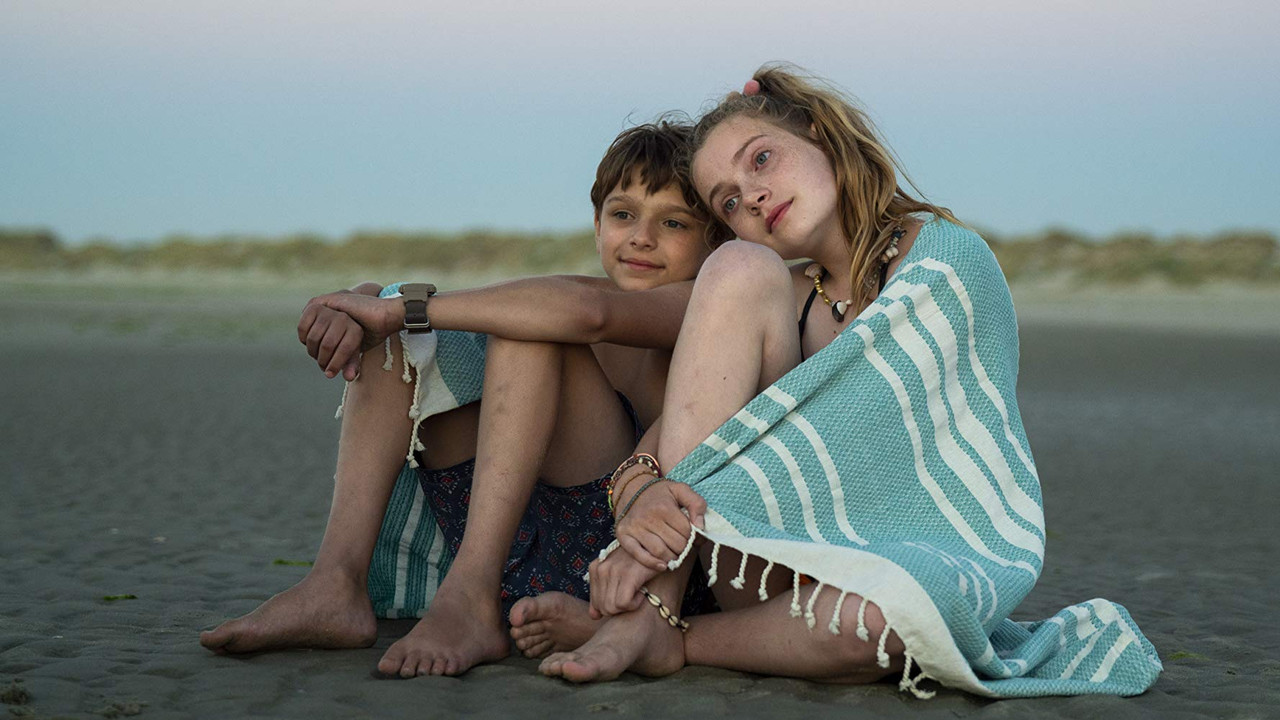
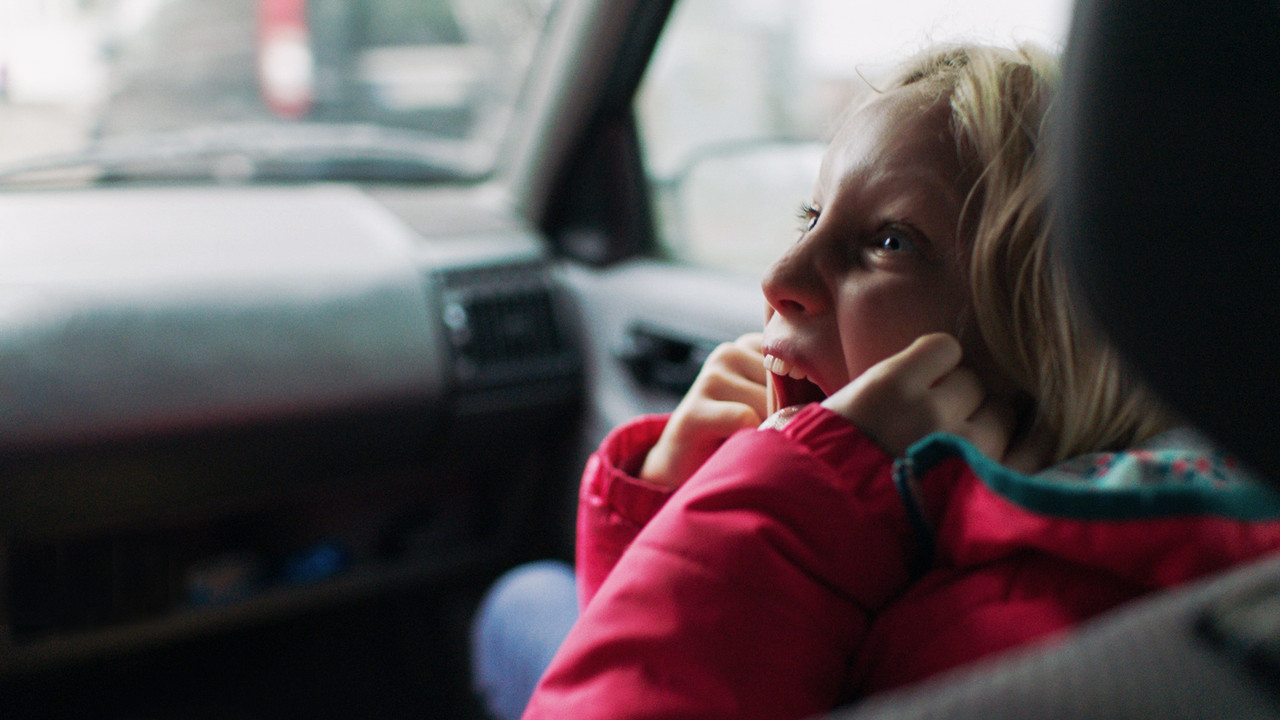
Nine-year-old Benni (Helena Zengel) is a troubled little girl. With a history of abuse, she’s been unmanageable since she was very young and has been through many group homes and foster families, leaving the system with little ability to cope with her abusive and often violent acting out. 

I’ve often remarked on how European films tend to have a harder and more realistic edge than their Hollywood counterparts. I can see the mainstream American version of System Crasher now, it would almost certainly soften Benni’s hard edges and if not an entirely happy ending, then hand her one that at least felt certain. That’s not the route that Nora Fingscheidt takes here, she recognises that Benni is a complex young girl, that her problems aren’t going to be solved with a little bit of hugging and learning. System Crasher is bleak, intense and searingly emotional stuff.

The whole film rests on the shoulders of Helena Zengel as Benni, and her performance is a triumph. To call it subtle might be a stretch, but that’s down to a screenplay that has her almost constantly at boiling point, screaming in people’s faces or kicking out at whatever happens to be within reach at the time. Nothing in her performance feels forced, or even really acted. In her quieter moments, Zengel lets us glimpse Benni’s other sides and we can see that her violence and anger hide a girl crying out for a family, or to be loved by the one she has, but isn’t allowed to live with. 

This comes home especially strongly in her interactions with Micah (Albrecht Schuch), her school escort who, when the other adults in her life have run out of ideas, takes Benni out into the woods for several weeks. The bond that grows there feels genuine and sweet, but the fragility of it, and of any possibility of Benni behaving responsibly, is always present and often strikes a note of tension in the film. Fingscheidt deploys this tension especially well in a late scene when Benni turns up at Micah’s house. In the morning we find her playing with his baby daughter, and here the film brought me to tears twice within a minute, first with its most tender moment and then by performing a 180-degree turn. 

At first glance, it seem difficult to imagine empathising with Benni but we do, though Fingscheidt tests that empathy throughout. What she brings home, without making it feel like she’s pummelling you with emotional cues, is the way that Benni has been in some sense abandoned by every adult in her life, from the mother who keeps her other children to the many foster homes and parents that have given up on her (likely with good reason, but still) and expects it to happen over and over again. It’s a level of emotional complexity we don’t usually see in films like this; not crying out that Benni’s only problem is being misunderstood, but trying to understand her nevertheless.

While the film belongs to Helena Zengel, the adults around her also do beautifully nuanced work. Especially effective is the way we see Albrecht Schuch’s Micah wrestling with his own growing empathy for Benni, and how it is unprofessional, but probably at some level exactly what she needs. Of course, credit for the performances, Zengel’s in particular, should also go to Nora Fingscheidt, whose screenplay and direction provide the roadmap.

At two hours, System Crasher does feel long, and as it enters its third act there is a sense that it is casting around in search of an ending. This is the one thing Fingscheidt never really finds. The mirroring of the dynamic opening title card at the end is neat enough, but it’s less an end than a stop. Still, this is worth seeing purely for an astonishing central performance and it has many more rewards besides. 
★★★★

18.9.19

Growing Pains @ London Film Festival 2019

For the ninth year in a row, I will be attending the London Film Festival as press, while most of the coverage will be at my other film blog 24FPS, I will be posting my reviews of the wide variety of teen and coming of age films playing at the festival here at Growing Pains. These reviews are of LFF titles viewed on the digital press library. The festival runs from October 2nd - 13th. You'll find ticket links for each film at the end of this post.

My Extraordinary Summer With Tess
Dir: Steven Wouterlood
My Extraordinary Summer With Tess is about a big week in the life of ten-year-old Sam (Sonny Coops Van Utteren). On holiday with his family, he meets the eccentric Tess (Josephine Arendsen) and the two strike up a fast friendship, with Tess asking for Sam’s help when Hugo (Johannes Kienast) and Elise (Terence Schreurs) arrive to stay in the holiday cottage her mother owns. Initially, Sam thinks Tess has a crush on Hugo, but it turns out that she believes he’s the father she’s never met.

For an 81 minute film, My Extraordinary Summer With Tess is busy. As well as the main plot between Sam and Tess there is a focus on Sam’s fatalistic outlook on life - he’s trying to fit practice at being alone in every day, because as the youngest of his family he feels he needs to prepare for when his mother, father and brother are no longer around. This, along with the familial themes of the main story, sounds fairly heavy, but the film is determinedly pitched at an audience the same age as Sam and Tess. In that way, it captures rather well the particular stage many kids are at ten and eleven; grasping the basic concepts of issues like relationships between adults, the challenges of being a parent and the fact their family may not be around forever, but with only a limited understanding of what those things truly mean. This lack of nuance is felt in the characters, but crucially not in the film itself, and that rings true of who these kids are.

Sonny Coops Van Utteren and Josephine Arendsen are both excellent. He as the more serious and melancholy kid, she as a ball of sunshine that, as is often the case, is masking some of her own melancholy. They play off each other well, capturing the way that kids can have their petty disagreements but make up almost instantly (the way Tess plays off the idea of apologising for abandoning Sam on the first day they hung out is especially well written and played). The characterisations are fairly broad - which also extends to the adults - but for the audience this is aimed at, they will work. Kids will likely be charmed by Sam and Tess, but the deeper themes of family, friendship and how both are to some degree chosen and both are to be cherished will resonate, because they are pitched at the right level.

On the whole, the film is energetic, sweet and bright. What it does lack is context, we get little sense of who Sam and Tess are outside this very contained space of the week in which they are hanging out, and the film is a little simplistic when it comes to the complexity of the issues surrounding Hugo, which it could probably have unfolded in more detail while still being suitable for a young audience. Overall though, this is a charmer and another argument that LFF’s Family programme should get more coverage.
★★★½

Adolescents
Dir: Sébastien Lifshitz
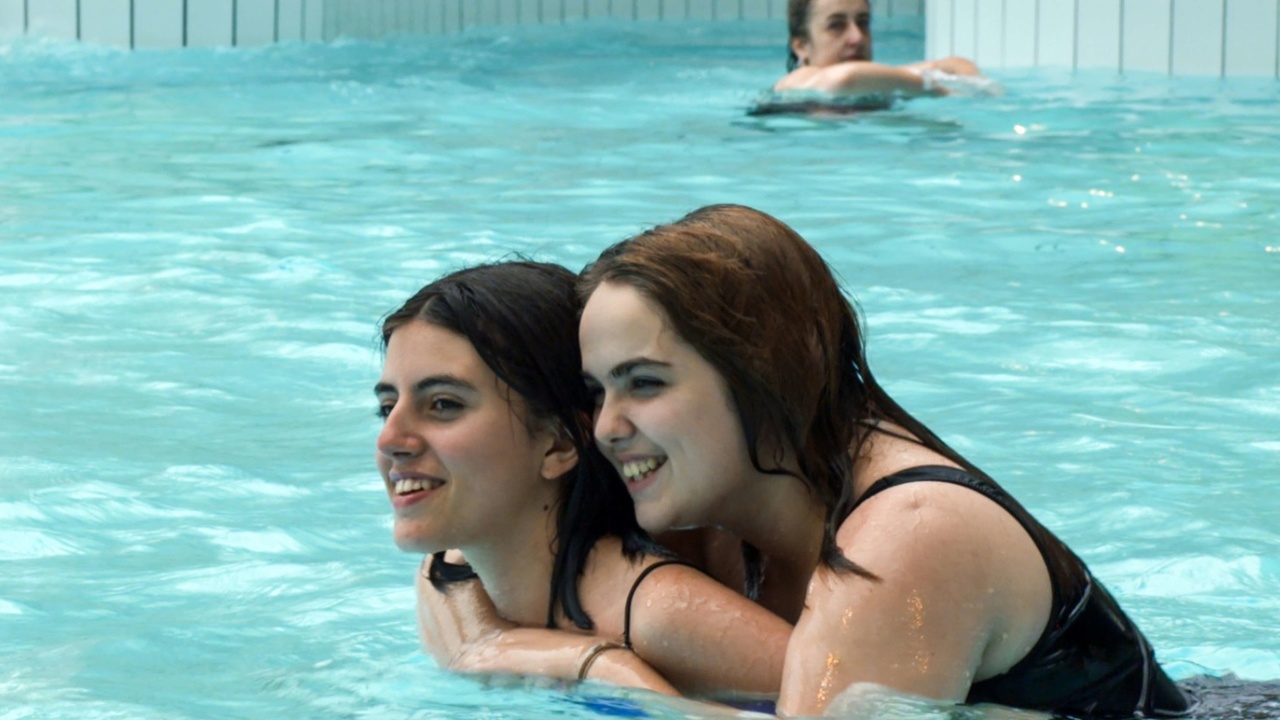
Being a teenager is an experience that is at once commonplace and singular. That seems to be what Sébastien Lifshitz is trying to explore with Adolescents, which follows Anaïs and Emma from the ages of 13 to 18. Though from different backgrounds Anaïs very working class and Emma clearly more upper middle class, the two are initially close friends. We follow them as they take different routes, Anaïs vocational high school and Emma a more academic track. Across 135 minutes, Lifshitz’ camera observes as they go through the regular trials and tribulations of their teen years, among them boys, exams and difficult relationships with family.

Initially, the film is very engaging. Lifshitz seems to take a Fred Wiseman type approach, documenting without (at least as far as we hear) asking questions or providing contextualising narration or captions. The things we see are very normal but extremely vivid; the girls chatting about which boys they like, sulky teen girls arguing with their parents, kids horsing around in class. It’s all very familiar. If you can cast your mind back to being a teenager, there’s every likelihood that you’ll find yourself cast back to a similar moment in your own life.

There is some attempt to structure the film around political events (Charlie Hebdo, the Bataclan and the election between Marine LePen and Emmanuel Macron are all seen), but only the election draws much from either Anaïs or Emma and because Lifshitz isn’t engaging from behind the camera, what discussion there is ends up brief and surface level. This gets to the larger problem with the film. After the first act, we’ve already been through most of the types of scene we’ll see, and much of the last 100 or so minutes of the film feels repetitious. Yes, events intervene, especially in Anaïs’ life, but again, because the director doesn’t discuss anything with his subjects and, left to their own devices, they’re not expressing much in our direction, the insight feels lacking.

There are powerful moments in the second half of the film, many of them centering on Anaïs’ relationship with her sickly mother, but equally there is so  much we hear about (notably six weeks in which Anaïs had to take care of her younger siblings after her mother had a breakdown), which promise to be much more compelling and insightful than yet another scene of Emma being stroppy with her mother over homework. Looking at this film next to the great documentary about teenagers coming of age - Hoop Dreams - Adolescents’ flaws become crystal clear. While Hoop Dreams managed to explore its protagonists lives while also crystallising issues of class and family, this film always feels hazy. It has the ambition to delve into those same themes, but by stepping back so much it never makes them a strong throughline.

The film’s final scenes raise one last issue. For the second half of the film, we have never seen Anaïs and Emma interact. This makes sense; they move in different groups, they have different ambitions, people grow apart. The last moments see them together, seemingly as warm and close as ever. Is this their first meeting for years or have they remained friends off camera? We never know, because when they aren’t together they never mention each other and here that is never clarified, either by the film or by them. This raises the spectre of a much more contrived narrative than Lifshitz seems to want to suggest he’s constructing here, and for me that undermines the film even further.

I can see, and would likely love, the film Adolescents wants to be, but for me the collection of footage never coalesced into anything as thoughtful or insightful as its ambitions. 
★★


23.7.19

Streaming Suggetions: Malibu Rescue

Dir: Savage Steve Holland
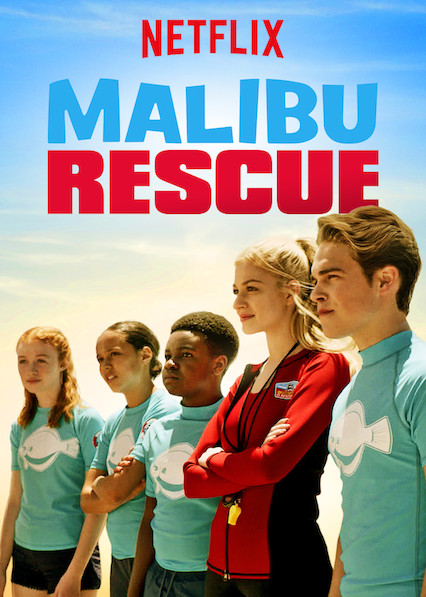
Tyler (Ricardo Hurtado) is continuously in trouble at school and his stepfather (Jeff Meacham) is so sick of it that he makes Tyler spend the summer taking a course to become a junior rescuer down at Malibu beach. After a while, Tyler discovers that the head of the programme (Ian Ziering) doesn’t want him or the rest of his team there, because they don’t live near the beach. Along with their scatty instructor Dylan (Jackie R. Jacobson), Tyler and his new friends decide that they are going to beat the top team of recruits in the final test.

Technically a pilot for a new Netflix series, but uploaded there as a movie separate from the series as a whole, Malibu Rescue wouldn’t be something I’d have addressed (or probably even watched) but for the fact it’s directed by Savage Steve Holland, who is one of the true lost talents of 80s cinema. Holland’s three teen movies of the 80s: Better Off Dead, One Crazy Summer and How I Got Into College are all anarchic comedies that, though they fit perfectly into the decade’s cycle of teen cinema, have a very particular tone and humour. For 30 years now, Holland has been largely lost to TV, working on series like Lizzie McGurie, Zoey 101 and Fairly Odd Parents, his only non TV project since the early 90s has been the direct to video Legally Blondes, the Reese Witherspoonless third in the series. I didn’t see any of those projects (they clearly weren’t aimed at me), but Malibu Rescue suggests that the spirit of his features has never quite left Holland.

Like Holland’s other recent projects, Malibu Rescue is definitely targeted at children. It’s simplistic, with stereotypically sneering bad guys (Ziering, and JT Neal as Brody, the leader of the elite team, the Dogfish), simple morals about family of various stripes and a very much expected ending in which everyone who deserves it gets their comeuppance and each of the misfits on Tyler’s team gets to show how what makes them weird is also one of their strengths. This isn’t a bad thing, it’s just the nature of the film, and I suspect that this one will appeal to adults a bit more than most projects of its ilk because of the weirdness that Holland brings to it.

Fans will recognise some signature aspects of Holland’s work here, albeit somewhat watered down. The Momhacks vlogs that we see Tyler’s mother (Catia Ojeda) making call to mind a significantly less crazy, but still pretty funny, version of Kim Darby’s comepletely spaced out turn as Lane’s mom in Better Off Dead. Some of the running gags also hit on this tone, a little boy called Jeffy (Michael Mourra) who keeps bothering Tyler always turns up a laugh and even if the gags are simple slapstick, Holland’s timing keeps them fresh. Also straight out of Holland’s earlier work is a running gag with a deliberately poorly animated stop motion crab.

At just 69 minutes, the film never has time to let the pace flag, and it would definitely benefit from developing its characters more. The villains get very little to do, I don’t think Brody’s two assistants even get a line between them and even for a film like this, Brody himself is underwritten (though JT Neal plays the dumb jock stereotype well and gets a few good laughs out of some fairly obvious gags). Tyler’s team, the Flounders, get a bit more development, but everything feels as though it’s on fast forward, with Tyler’s shift from trying to get thrown out of the programme to embracing it coming very quickly. The Flounders basically get one or two personality traits each, with Dylan being a klutz because she’s lacking confidence, Lizzie (Abby Donnelly) being obsessed with first aid, Gina (Brianna Yde) being the serious one, but also obviously hiding something and Eric (Alkoya Bruson) being enthusiastic, supportive of his new friends, and a little bit needy. 

The cast commits and brings energy and warmth to their performances, you buy them as a group and hopefully that dynamic will develop in the series that follows this film, because there is plenty of room to open these characters up. For me, Abby Donnelly is a standout, nailing one particularly offbeat and surprisingly dark gag, while Jackie R. Jacobson has fun with a cliche character and, happily, isn’t paired off with anyone, allowing her to be defined by her journey to finding her confidence in training these kids (who are only a few years her junior). It’s a pleasure to see Curtis Armstrong, something of a trademark for Holland, pop up as a weirdly cheerful janitor. They don’t share a name, but there’s still a part of me that could see this being his Better Off Dead character later in life. On a similar note, Vooch (Jeremy Howard), the bus driver who gets the kids to the beach each day, is basically the character Armstrong would have been in his younger days.

Malibu Rescue is no masterpiece, and while because of the age of its characters it counts as a teen movie, the rushed running time means that it touches only lightly on coming of age themes. It's also not quite a fully formed work from Savage Steve Holland, but it’s always amiable and enjoyable, and the bits of Holland’s personality that slip through made me smile and laugh more than many Hollywood comedies of late. I hope this film and the series take off on Netflix, not just because I enjoyed it, but because its success would make, after 30 years, a new feature with Savage Steve Holland at full strength, a real possibility.
★★★☆☆

18.7.19

The 90s: Drive Me Crazy and Drop Dead Gorgeous

At the moment and into August, the BFI are having a season of films from the 90s, and while it doesn't focus on them, there are teen movie screenings and a quiz being held by the excellent teen movie screening group Forever Young Film Club.

With that in mind, I thought I'd turn my focus on the teen movies of the decade I was a teenager myself, both so I can revise for the quiz, and so I can try to look at them from a fresh angle with at least two decades' distance.

Drive Me Crazy [1999]
Dir: John Schultz
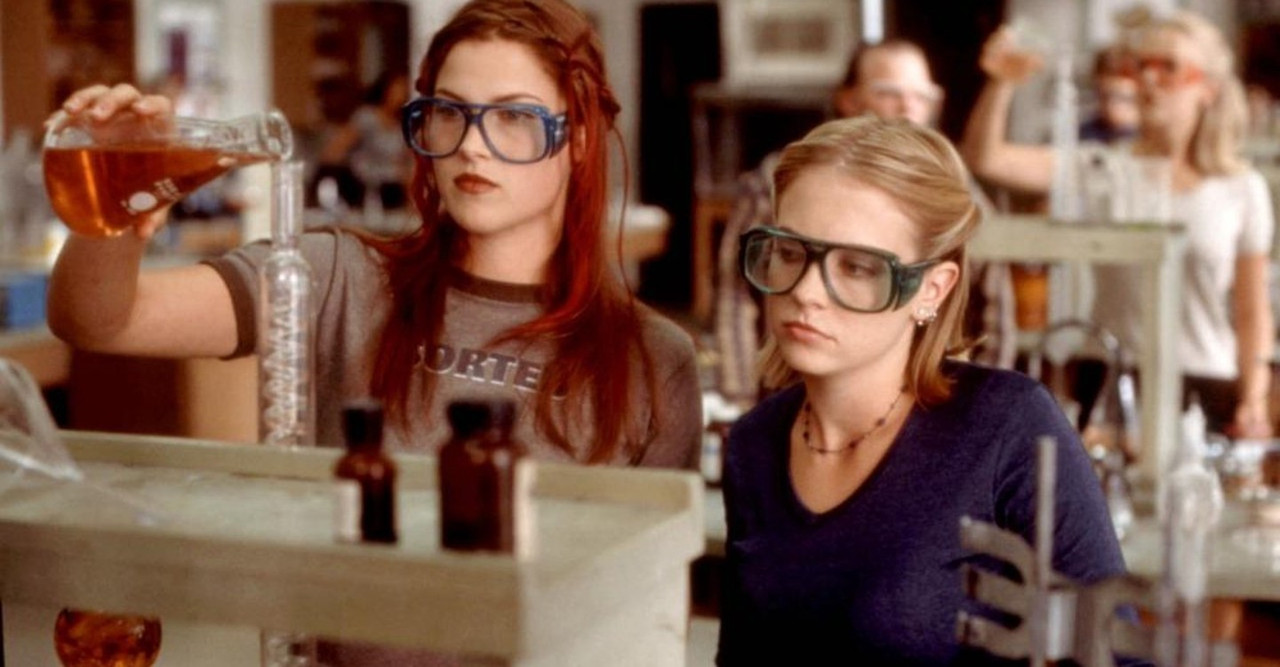
There are worse films than Drive Me Crazy in the 90s cycle of US teen movies, but perhaps none more basic, less inspired, blander or less interesting.

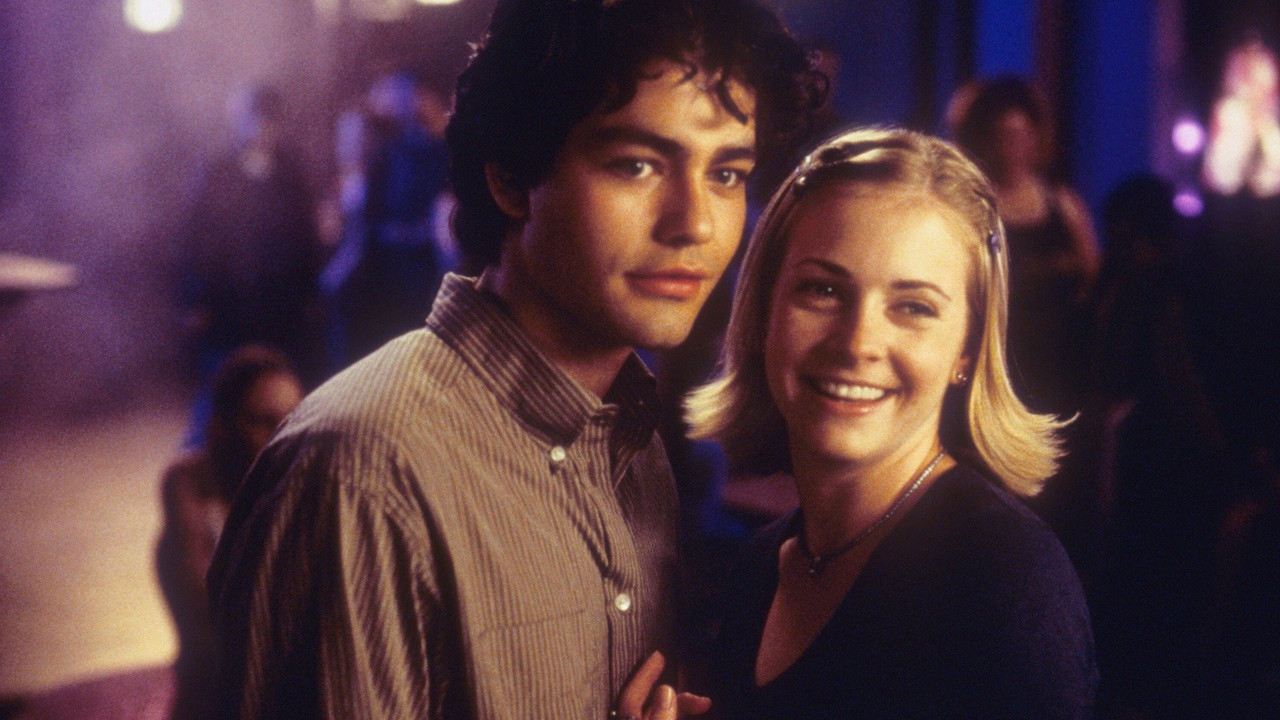
Nicole (Melissa Joan Hart) and Chase (Adrian Grenier) have lived next door to each other for years, they used to be friends but now they run in different circles. Chase is a rebel, pulling pranks with anti-social friends, while Nicole is one of the more popular girls in school, head of the committee putting together the students' celebrations for the centenary of their school. However, when Chase is dumped by his socially conscious girlfriend (Ali Larter) and Nicole doesn't get the invite to the prom she expects from her crush Brad (Gabriel Carpenter), they decide to feign a relationship to make the respective objects of their affection jealous.

You may never have watched Drive Me Crazy (I wouldn't blame you), but you have seen this film before. As the summary above suggests, this is the most generic of teen rom coms. We know from the very first moment exactly how Nicole and Chase will end up, along with most of the beats that will get them there. Sadly, the experience of watching this all unfold is a dreary one. A film can get by being super generic if it's executed notably well (The DUFF is a good recent example), unfortunately, this one isn't. There's never any great clarity in the writing, Nicole is clearly supposed to be the nerdy type, super into school spirit and hyper organised, but that only ever comes across in the scenes where things like her having budget figures to hand or making over Chase by giving his hair a light trim are plot points, neither the script nor Melissa Joan Hart embed this in her character. The same is true for Grenier. In a better film, we might see the contrast between his own view of himself as a rebel and the fact he's actually something of an outcast, content to sit largely outside the high school experience with his friends (Kris Park and Mark Webber) who are much more outwardly geeky.

There are some bright spots in the film. While Grenier is a charisma vacuum, Melissa Joan Hart is well cast and brings the same lightness she did to Clarissa Explains It All (I was a bit too old for Sabrina). One interesting aspect of her casting is that the film, for all its other adherence to cliche, evades it by playing Nicole as neither the super hot queen bee of the school nor the dowdy bespectacled girl waiting for some guy to realise she's beautiful. It's unfortunate that, in falling between these stalls, the screenplay then forgets to give her a consistent personality. Some of the supporting cast and B stories work better than the very bland and entirely stakeless main narrative. Susan May Pratt has fun, essentially playing a bitchy variation on her best friend character from 10 Things I Hate About You, and the side story about Chase's friend Designated Dave (Webber), while a fairly obvious triumph of the nerd trope, works quite well.

Music was always a key part of 90s teen movies, here, while the presence of The Donnas on the soundtrack and in the film is welcome, the rest of the soundtrack is full of landfill indie and pop. The only otherwise notable aspect of the soundtrack is that, though it's in the film for roughly three seconds, the title was changed from Next to You (which sounds so much like a Nicholas Sparks movie I had to google to check if it was one) to tie in with Britney Spears' Crazy. 

Sadly it's the romance that is front and centre of the film that pulls it down. We've seen the conceit of two people pretending to be together and then 'unexpectedly' falling for each other many times, and whether it works all depends on the chemistry. I don't see it between Melissa Joan Hart and Adrian Grenier, their romance feels forced and yet that doesn't generate any tension in the story, even early on when the characters might be feeling conflicted about it. The background stories for each of them are standard issue and though we're told at one point that the death of his mother a few years before had a deep effect on Chase, this is another thing we don't feel from Grenier's performance.

The genre would hit several highs in 1999, but most of Drive Me Crazy feels like watching the post-Clueless teen movie cycle run out of inspiration in real time.
★★☆☆☆

Drop Dead Gorgeous [1999]
Dir: Michael Patrick Jann
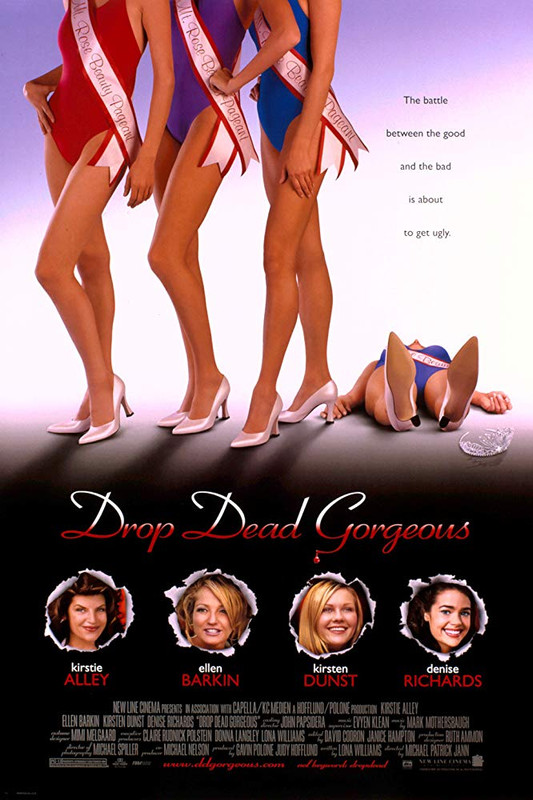
The mockumentary has been a staple comedy style in film and television for some time, but it's clear that all of them look, ultimately, to the same towering example: This is Spinal Tap. With Drop Dead Gorgeous, writer Lona Williams and director Michael Patrick Jann take the Tap style and turn the focus on a teen beauty pageant in Minnesota, where things turn deadly as rivalries develop between the girls and it becomes clear that someone will go as far as murder to make sure the 'right' person wins.

The main rivalry is between Kirsten Dunst as Amber, a sunny seventeen-year-old who idolises Diane Sawyer and lives in a trailer park with her mother (Ellen Barkin, who is hilarious) and Denise Richards as Becky, the daughter of Gladys (Kirstie Alley), who runs the pageant and won the year she was seventeen. Because of the style of the film, Lona Williams' screenplay largely gets away with being more a series of linked sketches than an overarching narrative, yes, there's the thread of several of the contestants being killed in 'accidents', but these are never dealt with as more than outrageous gags. Equally, while we know she wants to be like Diane Sawyer, there's not that much drive to Amber's newscasting ambitions, everything is ultimately fodder for gags. It works because the gags mostly stick.

Dunst's guileless performance underplays most of her jokes, which makes them funnier than they would be if Amber knew she was being amusing. Denise Richards' performance is almost the flipside of this; she's playing a girl whose mother has clearly trained her to sell herself at every opportunity, and she's always playing to the camera. Richards isn't the greatest actress in the world but despite being more than ten years older than Dunst she's well cast here; the fact she doesn't look seventeen works for how Becky wants to present herself. Beyond that, Richards commits, never more so than in the talent show aspect of the pageant, her act for which just has to be seen.

Several of the other girls in the pageant are worth noting. Looking back on her films from the late 90s and early 2000s, it's clear that we lost a terrific screen presence in Brittany Murphy, and she's good fun in a small part here. The same goes for Amy Adams, making her debut here in a role that might have seen her break out sooner, had the film been a hit. Not in the pageant, but stealing scenes as the anorexic girl who won last year, Alexandra Holden is very funny in what's clearly the film's most (perhaps only) pointed piece of satire. A couple of jokes revolving around the judging panel, one of whom is a bit TOO into the young girls and another who has to look after his brother with learning disabilities, haven't aged well, but most of the other gags still feel as fresh as they did 20 years ago.

The film builds quite quickly to the pageant itself, and this is where it goes off the rails a little. Once the big event the film has been building to is over, and the very funny aftermath of it seems to have wrapped up the various story strands, Williams and Jann flail a bit for the last fifteen or twenty minutes of the film. Most of the jokes still hit, but with all the characters we've been following except Amber and Alison Janney as her mother's neighbour from the trailer park now largely out of the film, it feels almost as if we're starting another abbreviated episode after a TV show's strong pilot.

Drop Dead Gorgeous isn't quite a lost classic, indeed it might be the weakest of Kirsten Dunst's three teen movies of 1999, but for the most part it is still fresh and funny and it's worth seeing for a cast who are not just having a ball here, but would largely go on to bigger and often better things.
★★★☆☆